
Food Price Monitoring Fundamentals: What You Need to Track
Start tracking food prices the right way. We show you which staples matter most, what data to collect, and how to spot trends in your spending.
Read GuideRice prices shift in October. Vegetables dip during harvest season. Learn the annual patterns so you’re not surprised by price swings at the market.
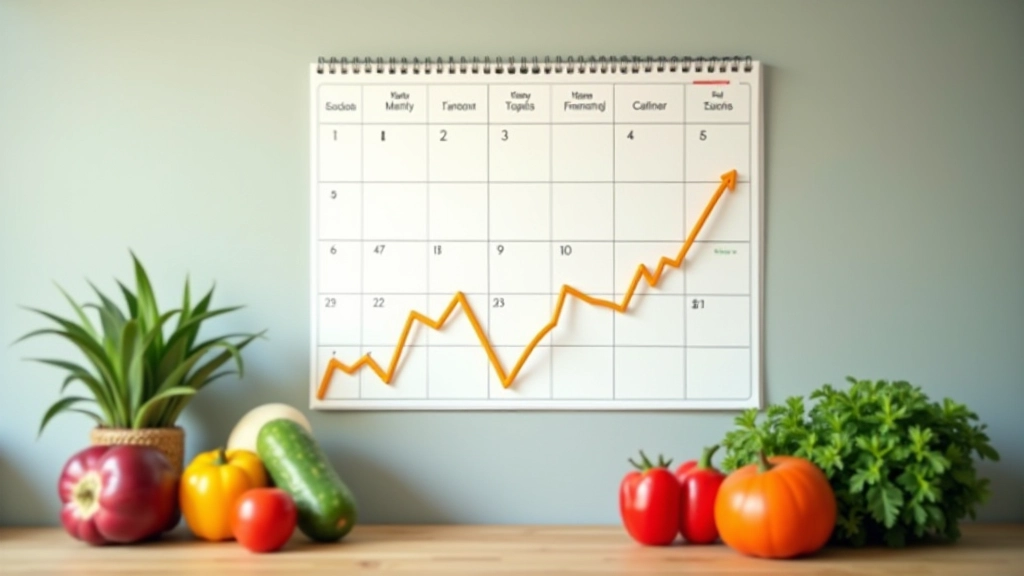
Every year follows a rhythm. Prices aren’t random — they follow patterns tied to harvest seasons, supply chains, and market dynamics. Once you understand these cycles, you’ll stop feeling blindsided when prices jump or drop unexpectedly.
In Malaysia, staple foods like rice, vegetables, and cooking oils have predictable seasonal patterns. Knowing when prices typically fall means you can plan your budget better. You’ll recognize that a price spike in August isn’t unusual — it’s expected. And when October rolls around and rice becomes cheaper, you’re prepared to take advantage.
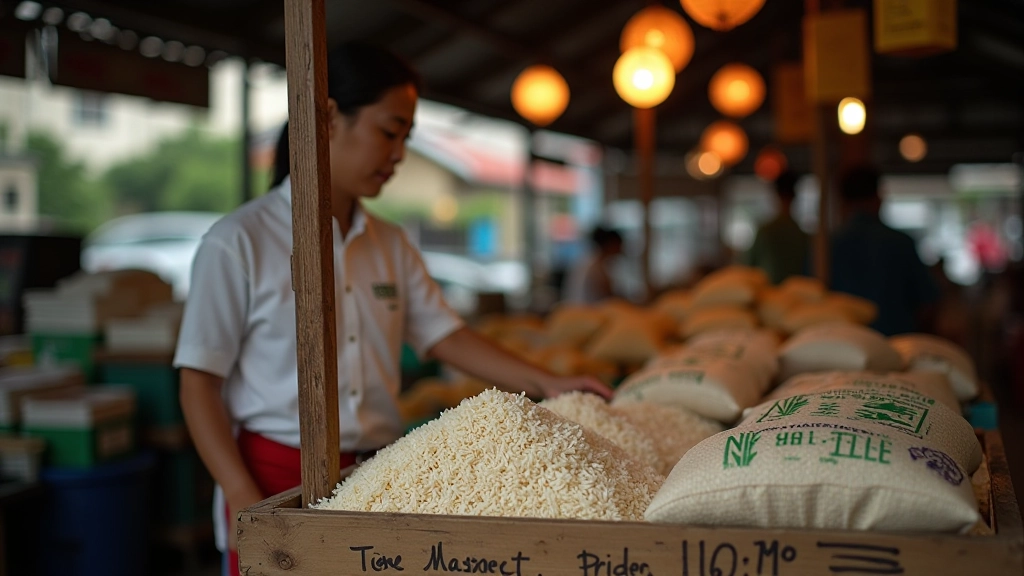
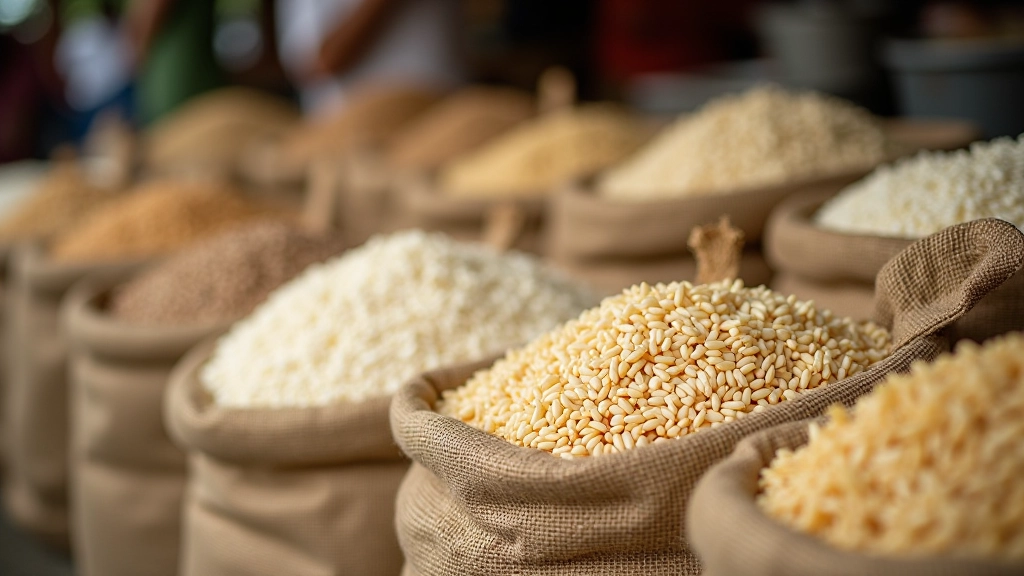
Rice is the backbone of Malaysian households, and its price swings affect everyone’s budget. The pattern is fairly consistent year to year. Main harvest season runs from August through October, which is when rice prices typically drop. Farmers bring in their crops, supply increases, and prices naturally fall.
Peak prices usually hit between May and July. Supply gets tight because the previous harvest is depleted and the new one hasn’t arrived yet. This is when rice costs the most. If you’re buying in bulk, these months aren’t ideal. But if you stock up during the October-December window, you’ll stretch your ringgit further. The difference isn’t tiny either — we’re talking 15-25% price variation between peak and low seasons.
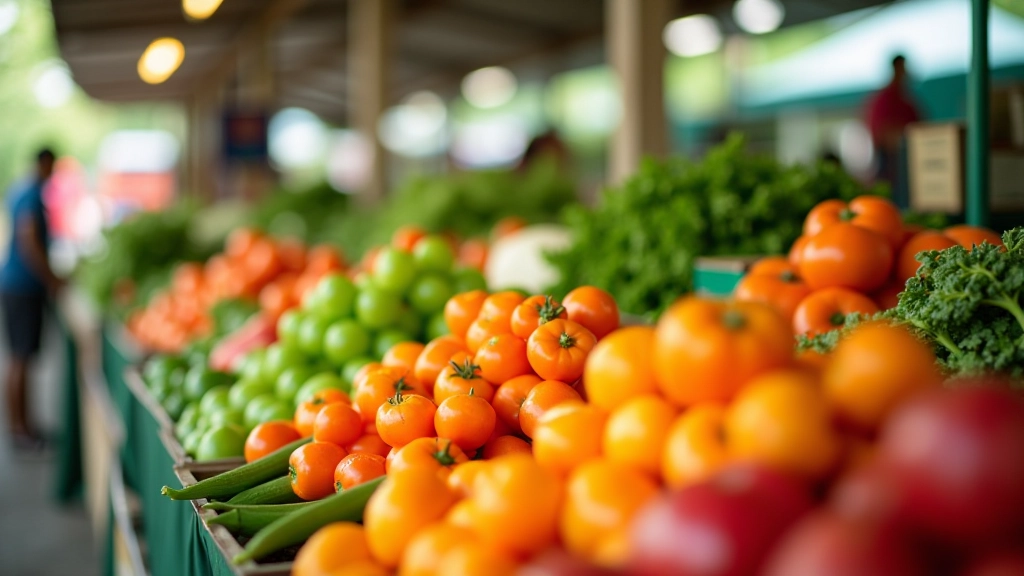
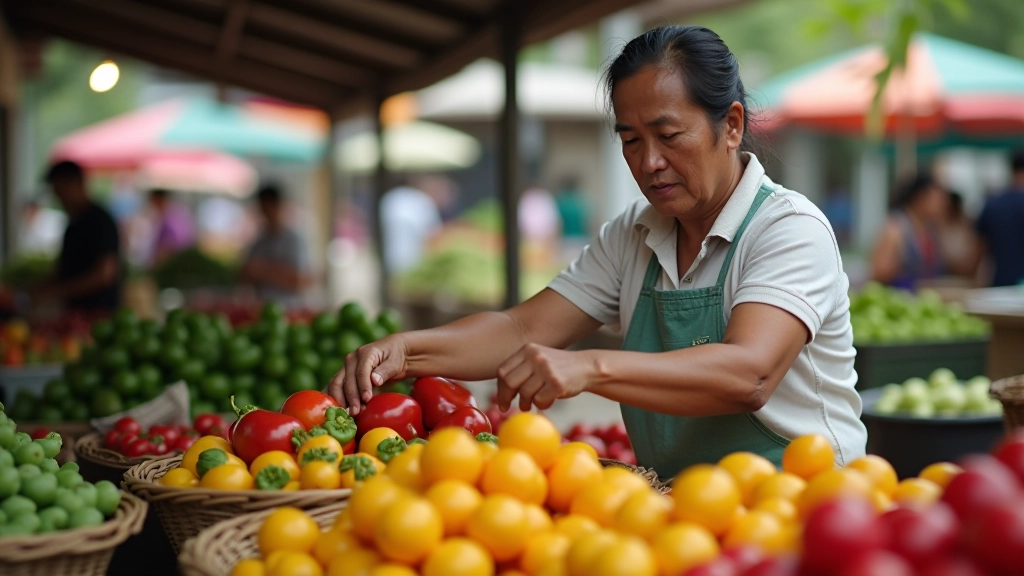
Vegetables are trickier than rice because there’s no single harvest season. Different vegetables peak at different times. Tomatoes are cheapest during June and July when local production is highest. Cabbage and leafy greens are most affordable from December through February. Peppers and chilies drop in price around August and September.
The volatility comes from sensitivity to weather. A heavy rain or unexpected frost can damage crops and spike prices overnight. That’s why tracking FAMA market reports becomes crucial — they’ll tell you why prices shifted. You’re not just seeing numbers; you’re understanding the reasons behind them. Weather disruptions in the highlands can mean higher prices for highland vegetables within days.
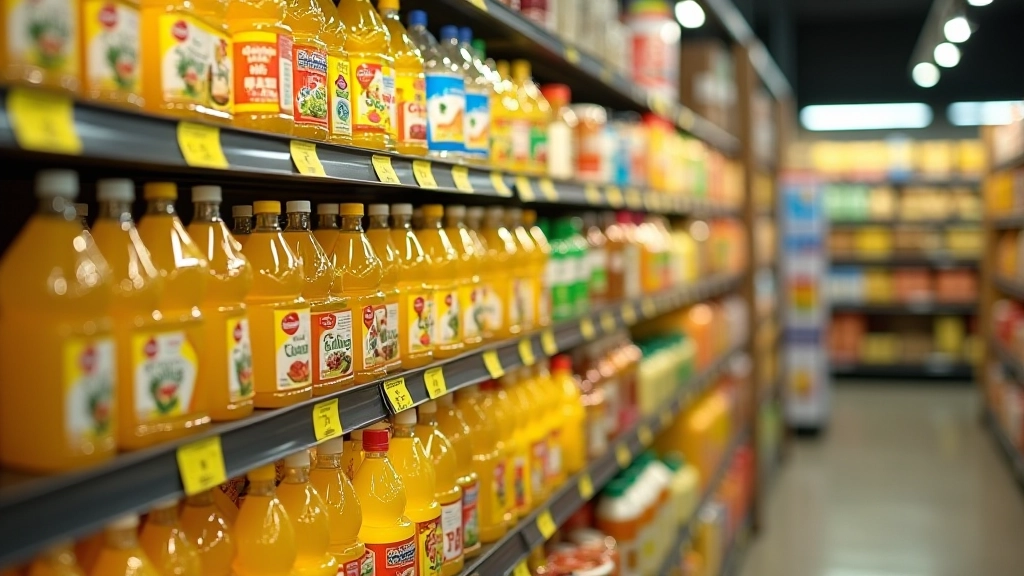
Cooking oil prices are different from other staples. They’re tied to global palm oil markets, not just local harvests. This means international supply, global demand, and even geopolitical events affect what you pay at the shop. Palm oil production does follow seasons — harvest peaks around August and September — but global factors override local patterns.
You’ll notice cooking oil prices are less predictable than rice. They can jump suddenly if global demand increases or supply disruptions occur elsewhere in the world. This is where checking FAMA data regularly becomes essential. They provide context on why prices moved, whether it’s due to local harvest changes or global market shifts. Understanding this distinction helps you decide whether a price spike is temporary or likely to stick around.
Pro Tip: Track cooking oil prices monthly using FAMA reports. The trends are less obvious than with rice, but patterns do exist — you just need consistent data collection.
Understanding seasonal patterns means making smarter purchasing decisions. You don’t need to be a financial expert — just aware of timing. Here’s how you actually use this information.
Start a simple spreadsheet or notebook. Record rice prices monthly. After 3-4 months, patterns emerge. You’ll see if your local market follows national trends or varies. This personal data becomes your baseline.
FAMA publishes market reports regularly. They show average prices across regions, which staples are spiking, and why. It takes 10 minutes to scan a report and understand the current market context.
When rice prices hit their low point (October-November), buy more than you need for the month. Store it properly in dry, cool conditions. You’ll save 20-25% compared to buying during peak season.
Instead of insisting on specific vegetables year-round, buy what’s in season. Tomatoes in July cost less than tomatoes in December. Adapt your meal planning to seasonal availability and prices.
Price swings at the market aren’t mysterious. They follow predictable patterns tied to harvests, supply chains, and seasonal demand. Rice gets cheaper in October when new harvest arrives. Vegetables dip when they’re in season locally. Cooking oil follows global markets but still has recognizable patterns if you track them.
You don’t need to become an agricultural economist. You just need awareness. Check FAMA data occasionally. Notice patterns in your local market. Plan your bulk purchases around low-price seasons. These small habits compound into meaningful savings across the year.
The next time someone at the market comments that prices are unusually high or low, you’ll understand why. And you’ll be prepared.
This article provides educational information about seasonal food price patterns in Malaysia based on historical trends and agricultural cycles. Price fluctuations can vary based on weather conditions, global market factors, government policies, and other circumstances. Individual market prices may differ from regional or national averages. For current pricing information, consult FAMA market reports, local market surveys, or your regular market vendors. This content is informational and doesn’t constitute financial or purchasing advice.