Government Price Stabilization: How Controls Actually Work
Price caps, subsidies, and supply management explained. Understand what the government does to keep essential foods affordable and when those mechanisms kick in.
Why Price Controls Matter to Your Wallet
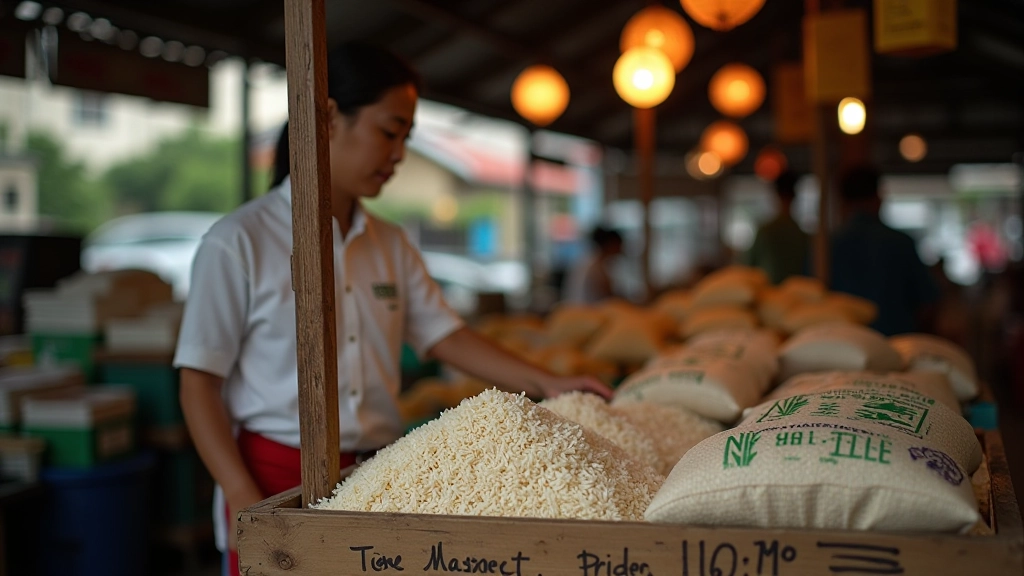
You’ve probably noticed it — rice costs more in November, cooking oil spikes during certain months, and chicken prices seem to shift with the seasons. These aren’t random. Government intervention through price stabilization mechanisms helps protect consumers from extreme price swings on essential foods. But how does it actually work?
Most people don’t realize there’s a whole system behind the prices they see at the market. When you buy rice or flour, you’re seeing the result of policy decisions made months earlier. Understanding these mechanisms helps you anticipate price changes and make smarter buying decisions.
Three Main Control Types
- Price ceilings that cap maximum retail prices
- Subsidies that lower costs for producers or consumers
- Supply management through strategic reserves
Price Ceilings: Setting the Upper Limit
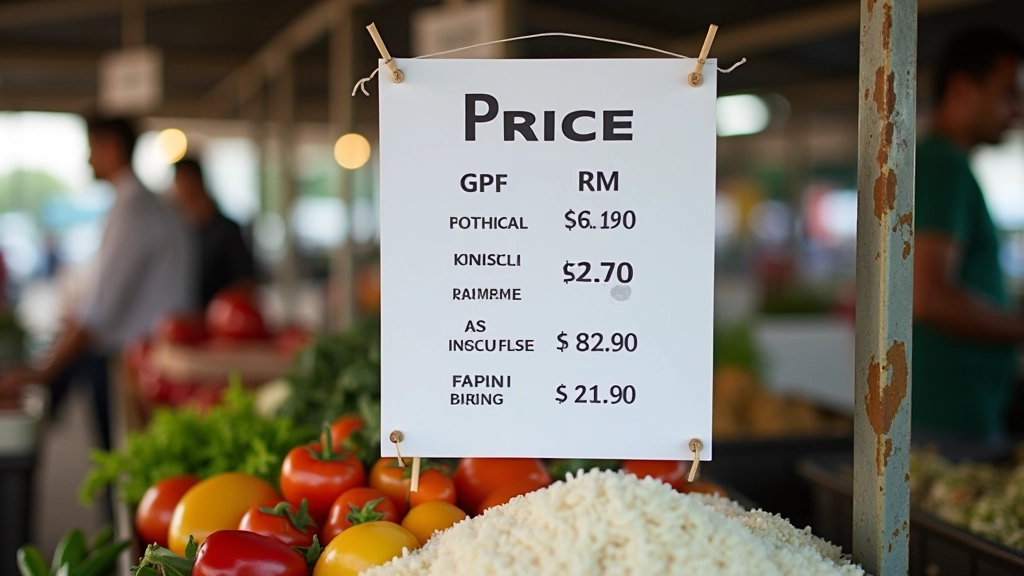
Price ceilings are straightforward in concept. The government says, “Rice can’t sell for more than RM 2.50 per kilogram at retail.” Retailers who exceed this get penalties. It’s one of the most direct control methods, and it’s what you’ll see most often during supply crises.
The challenge? They’re tricky to enforce. When prices are capped too low, wholesalers sometimes stop selling to retailers — they can’t make profit. You’ll notice empty shelves, especially during peak demand periods like the start of Ramadan or before major festivals.
Malaysia’s done this with cooking oil multiple times. In 2022, when global palm oil prices shot up, the government set a maximum retail price. For about 6 months, you could still buy subsidized cooking oil. But enforcement was inconsistent — some shops honored it, others didn’t, and complaints piled up.
Subsidies: Lowering Costs at the Source
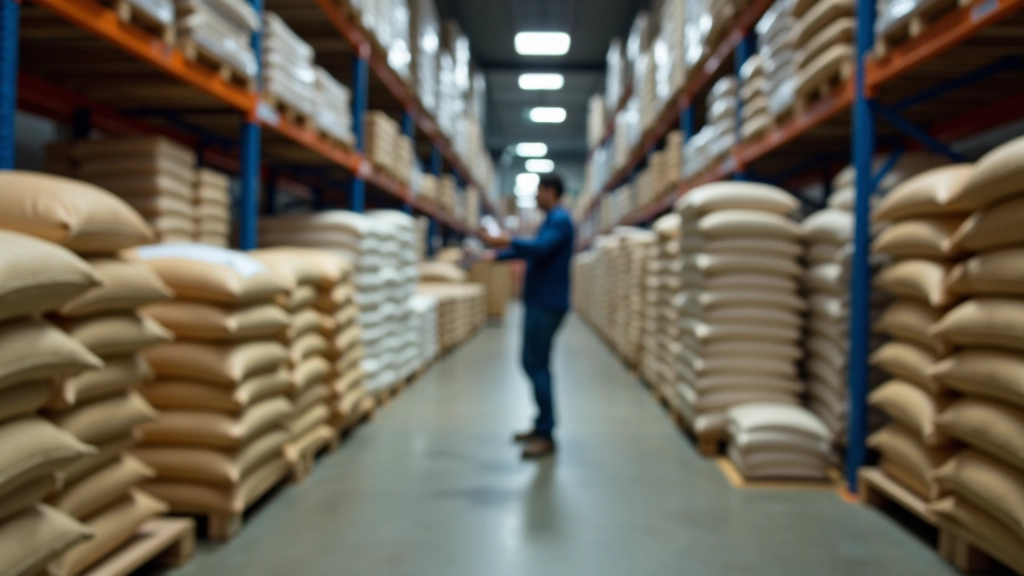
Subsidies work differently. Instead of capping retail prices, the government pays the difference between market price and the target price. If world rice prices are high, the government buys rice at market rates and sells it to consumers at a lower, subsidized price.
This is actually what happens with the “controlled prices” you see for rice and flour. The government doesn’t force retailers to sell at a loss — it reimburses them for the difference. It’s more expensive for government budgets, but it’s more sustainable because retailers stay in business.
Malaysia subsidizes rice heavily. The government buys domestic rice and imports, then distributes through retail channels at prices well below market rates. During 2023, when global rice prices climbed, the subsidy cost ballooned. You still saw affordable rice on shelves, but the government’s expenditure more than doubled.
Supply Management: The Invisible Hand
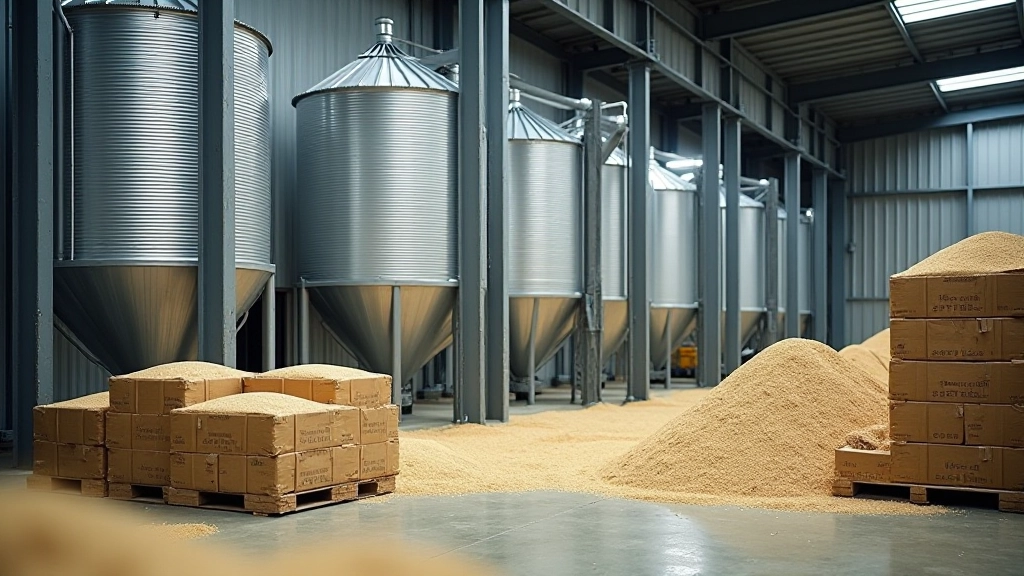
This is the less obvious mechanism, but it’s powerful. When prices spike, governments can release strategic reserves — stockpiles they’ve been holding. More supply in the market means prices come down naturally. No price cap needed. No subsidy required.
Malaysia maintains rice reserves for exactly this reason. When harvests are poor or global prices spike, releasing reserves floods the market with affordable domestic rice. It’s elegant because it works through supply and demand, not government mandates.
The timing matters enormously. If reserves are released too early, they run out before the next harvest. Too late, and prices already hurt consumers. FAMA (Federal Agricultural Marketing Authority) coordinates this with data on production forecasts, import capacity, and current consumption rates. They’re tracking three variables constantly — and adjusting reserve releases monthly.
When Does the Government Actually Step In?
Supply Shocks
Bad harvests, floods, or droughts reduce local supply. You’ll see controls activate within 2-3 weeks when production data comes in. The government monitors crop forecasts continuously and acts before prices spike too much.
Global Price Volatility
When world prices jump 20% or more in a month, controls kick in. This happened with cooking oil in 2022 and rice in 2023. International market movements trigger local interventions almost immediately.
Seasonal Peaks
Before Ramadan, Chinese New Year, and Awal Muharram, demand surges. Retailers know this and increase prices. Government preemptively releases supplies or announces price ceilings 3-4 weeks before peak demand hits.
Currency Movements
When the ringgit weakens against the dollar, imports cost more. If weakness is severe, controls activate to cushion the impact. A 5-10% ringgit depreciation usually triggers some form of intervention within 4-6 weeks.
Do These Controls Actually Work?
Honestly? It’s complicated. Price controls absolutely prevent extreme spikes. Without them, consumers would see 30-40% jumps when global prices surge. That’d hurt lower-income households badly. With controls, increases are more moderate — usually 5-15% instead.
But there are downsides. Price ceilings can create shortages if they’re set too low. Subsidies are expensive and unsustainable long-term. Supply management requires accurate forecasting, and predictions sometimes miss.
The best results come from combining all three. Malaysia typically uses supply releases first (cheapest), then adds subsidies if needed, and uses price caps only when absolutely necessary. It’s a layered approach that minimizes side effects.
“Price controls work best when they’re temporary and targeted. The moment they become permanent, you start seeing market distortions.”
— Common insight from agricultural economists tracking FAMA data
What This Means for You as a Consumer
Watch FAMA Reports
When FAMA reports show declining production or rising global prices, controls usually follow within weeks. You can anticipate price changes before they happen by tracking their monthly market updates.
Time Your Purchases
Right after the government announces controls or subsidy programs, prices stabilize. That’s the optimal buying window. During the weeks when controls are being debated or rolled out, prices can be volatile.
Understand the Lag
There’s always a delay between when government makes decisions and when you see the effect on shelves. Allow 2-4 weeks. If you’re seeing high prices today, controls announced today won’t help for a month.
Check Multiple Retailers
Price caps apply to all retailers, but compliance varies. Some stores consistently honor controlled prices, others don’t. Build a list of reliable shops and check their prices regularly.
The System Behind Stable Prices
Government price stabilization isn’t mysterious once you understand the mechanisms. Price ceilings set limits, subsidies lower costs directly, and supply management works through availability. Each tool has strengths and limitations, so the government uses them together strategically.
The key is timing. Controls activate when supply shocks hit, global prices spike, seasonal demand peaks, or currency weakens. Understanding these triggers helps you anticipate what’s coming and plan your food budget accordingly.
Ready to Track Prices Like an Expert?
Now that you understand how government controls work, the next step is learning how to read FAMA market data. That’s where you’ll find the real signals about upcoming price changes.
Learn to Read FAMA DataInformation Disclaimer
This article is educational information about how government price stabilization mechanisms work in Malaysia. It’s based on publicly available data from FAMA, Ministry of Domestic Trade and Cost of Living, and historical market records. This information isn’t advice on when to buy, what to buy, or investment guidance. Food prices depend on many factors — weather, global markets, policy changes, and local conditions — and can change unexpectedly. Use this information alongside current market reports and your own market observations. For official price information, always check FAMA’s latest reports and your local market directly.
Related Articles