

Food Price Monitoring Fundamentals: What You Need to Track
Start tracking food prices the right way. We show you which staples matter most, what data to collect, and simple systems that work without spreadsheets.
Read MoreLearn how agricultural supply chains, market dynamics, and government policies shape the cost of staple foods you buy every week. We break down FAMA data, seasonal patterns, and price stabilization mechanisms into practical guides you can actually use.
Whether you’re tracking rice prices for your household budget or understanding how supply disruptions affect your local market, these resources help you make informed decisions about food costs.
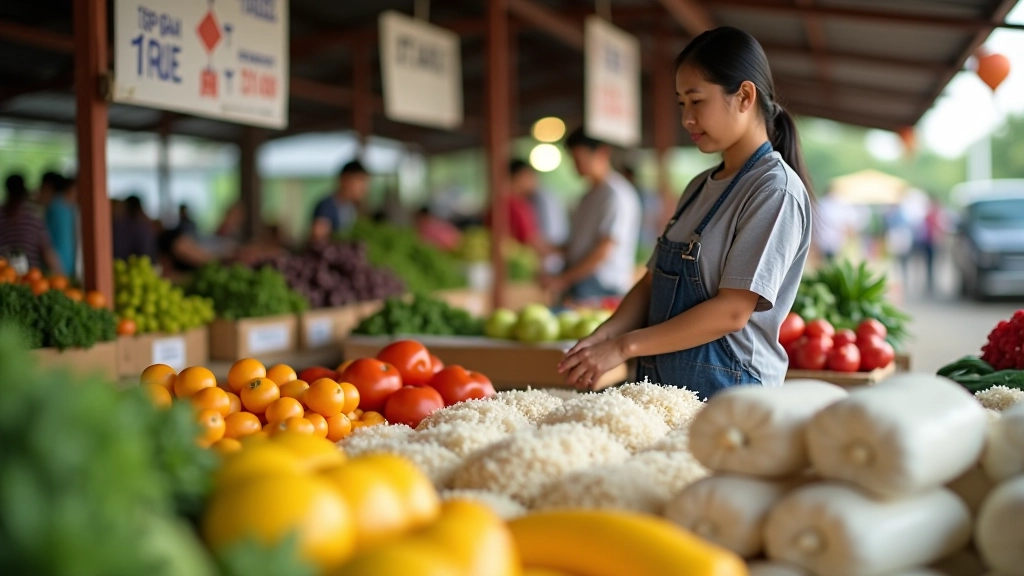
Practical resources to help you understand food price movements and market information
Start tracking food prices the right way. We show you which staples matter most, what data to collect, and simple systems that work without spreadsheets.
Read More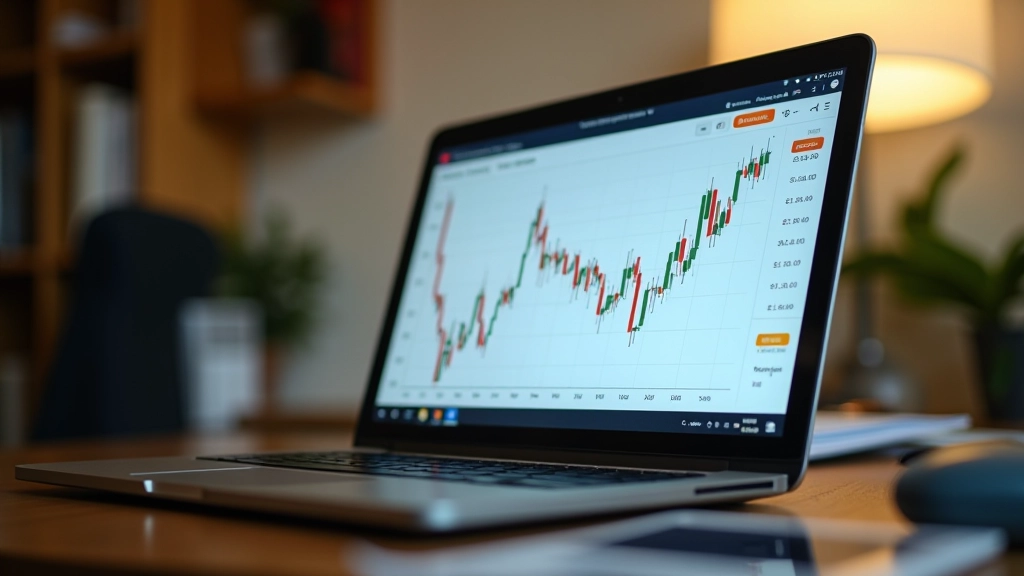
FAMA reports aren’t intimidating once you know where to look. This guide explains wholesale prices, retail variations, and what those numbers actually mean for your shopping.
Read More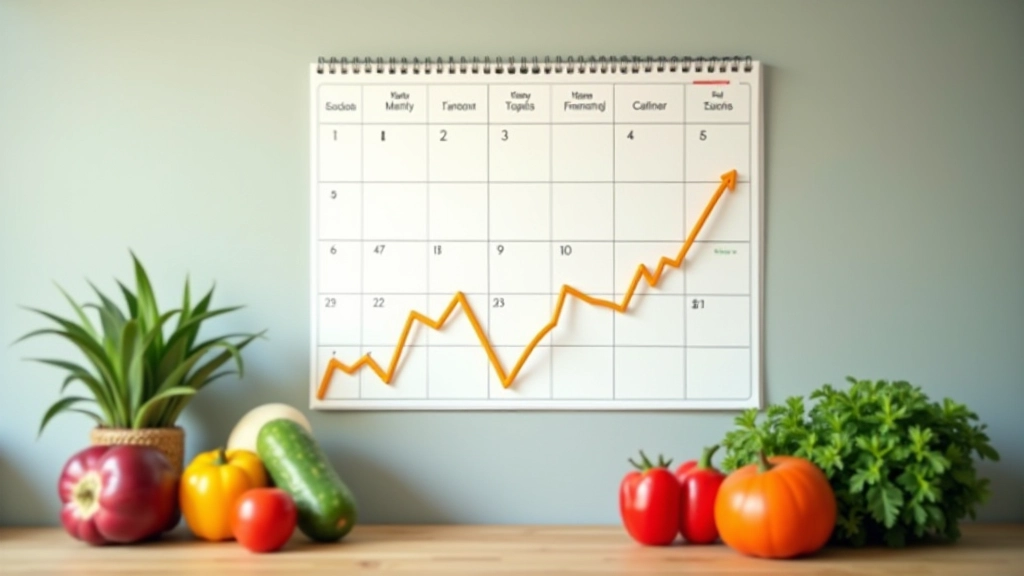
Rice prices shift in October. Vegetables dip during harvest season. Learn the annual patterns so you’re not surprised by price swings at the market.
Read More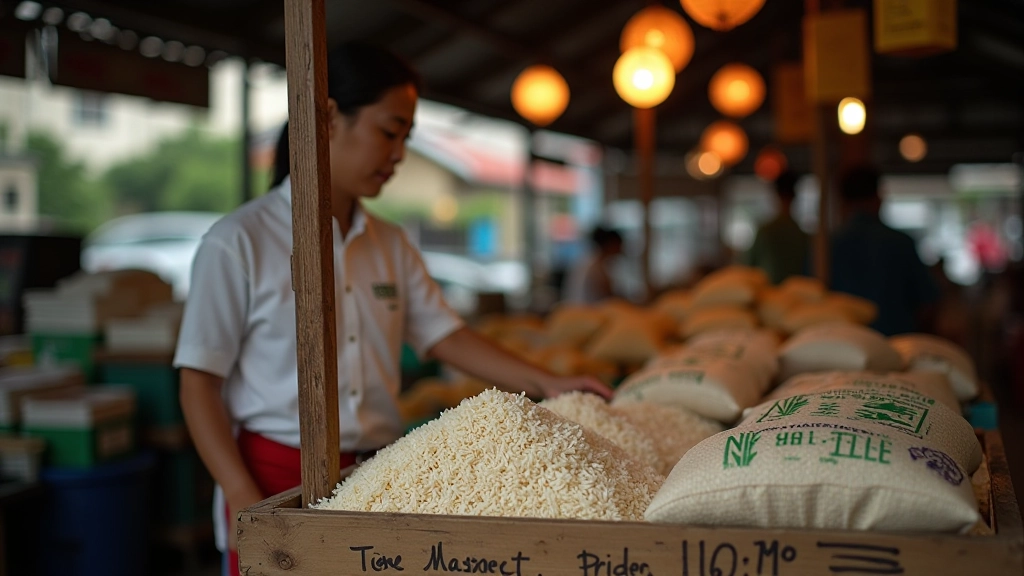
Price caps, subsidies, and supply management explained. Understand what the government does to keep essential foods affordable and when those mechanisms kick in.
Read MoreFood prices don’t move randomly. They’re driven by harvests, transportation costs, storage capacity, and import/export flows. When you understand these factors, price increases make sense instead of feeling like surprises.
Knowing that tomato prices peak in September or that rice prices typically stabilize in November lets you plan grocery budgets more effectively. You’re not guessing — you’re using actual market patterns.
Malaysia’s FAMA publishes detailed market information every week. Most people ignore it. When you learn to read those reports, you’ve got better price information than casual shoppers.
Government price controls, subsidy programs, and stabilization measures directly affect what you pay. Understanding these mechanisms helps you anticipate when prices might shift or stabilize.
A step-by-step approach to understanding and monitoring food costs in Malaysia
Start by recording what you actually pay for staples — rice, eggs, cooking oil, vegetables — over 4 weeks. This becomes your reference point for spotting real changes.
Visit FAMA’s market information portal each week. You’re looking for wholesale prices of major staples. Compare them to your local retail prices to understand the markup.
Document when prices typically drop for each staple. Rice harvest season? Vegetable abundance months? Expensive periods? Build your personal seasonal price guide.
When there’s news about crop failures, transport disruptions, or import changes — you’ll now understand why prices react. Supply shocks become predictable events instead of mysteries.